
Premier League 2026-27 Predictions
Premier League 2026-27: Who’s Got the Best Shot — and Who’s Walking the Tightrope? Short version: everyone’s talking Arsenal, Manchester City, Liverpool and Chelsea for the top end — and a handful of promoted teams look dangerously close to the cliff. The fun part is working out which of those elite clubs will crack under pressure and which relegation newbies will do a proper S-tier survival job. I’ll walk you through what the pundits and the markets are saying, which models disagree, the players people are buzzing about, and the bits we don’t actually know yet. The headline race — the usual suspects (but with a twist) Most of the previews and betting boards point to four clubs as the spine of the title conversation: Arsenal, Manchester City, Liverpool and Chelsea. That’s the framing ESPN uses when they set the early book for 2026-27, and it’s the sensible starting point if you care about realistic outcomes rather than wishful thinking. Arsenal have been the headline favorites in several markets — remember, being the favorite isn’t the same as being the favourite of every fan — but the betting prices have them near the top. The New York Post cited FanDuel odds putting Arsenal at +145, with City, Liverpool and Manchester United trailing behind at wider prices. That’s not a tiny gap; it’s a statement that bookmakers think Arsenal’s recent momentum might actually translate into silverware (or at least a very serious push). On the other hand, BetMGM still lists Manchester City up there as a winner pick, so nobody’s writing Pep’s side off. Those two camps — “Arsenal can keep climbing” and “City will reassert itself” — are the core narrative dueling all season. All of this matters because the Premier League is still both tight at the top and mercilessly punishing to anyone who slips. These four clubs give you the best balance of squad depth, tactical polish and Champions League experience — or they’re supposed to. Top four: the pressure points If the title feels crowded, the top four feels even more like a pressure cooker. ESPN’s piece and other previews treat Chelsea as the swing club in many forecasts — they’re the team most likely to flip this table, for better or worse. Why Chelsea? They’re often teetering between immense talent and inconsistent results. If that staff-to-player alignment clicks, Chelsea will push for Champions League spots. If it doesn’t, they fall into the “almost” trap that’s familiar to Blues fans. How pundits and models split the order ESPN centers the race on Arsenal, Chelsea, Liverpool and Manchester City as the core contenders. A predictive model discussed by GiveMeSport had Liverpool first, Arsenal second, City third, and Chelsea fourth — which shows how narrow the gap can be even between algorithmic forecasts and human opinion. So take your pick: bookies like Arsenal, some data models like Liverpool, and traditional wisdom keeps an eye on City. That uncertainty is where the season gets fun. Promoted teams and relegation storylines The other half of the soap opera is who’s walking the plank. A cluster of promoted sides — Hull City, Ipswich Town, Coventry City and Sunderland — are getting labeled as the likeliest to struggle in early-season markets. The New York Post notes Hull as the strongest relegation favorite, with a very short price in some books, and BetMGM has Hull pegged to finish bottom in their futures listings. That repeated name across different markets is telling; bookmakers aren’t simply pessimistic because a team is new, they’re pricing in squad depth, budget and the early fixtures that tend to knock promoted sides off balance. Meanwhile, The Independent’s preview singles out Ipswich to be the top promoted side at 11/8 in their tips. So the promoted group isn’t being lumped together — there’s nuance about who could surprise and who looks most likely to head straight back down. Why promoted teams are always interesting New clubs often come in with one very strong season’s form and then hit the reality of Premier League depth. Bookmakers and models price continuity, depth, and experience. That’s why the same names show up in relegation chatter. Get a couple of early shocks and the narrative changes overnight — survival becomes a confidence game as much as a points one. Which players people expect to matter There’s always a crowd around the familiar stars. Morning Footy’s season-preview chat mentions a few names pundits keep returning to: Florian Wirtz as a bright newcomer candidate and Erling Haaland tipped for the Golden Boot in some segments. That feels right: Wirtz has the sort of midfield creativity that can swing tight games, and Haaland still looks like the kind of striker who can turn 20-odd chances into enough goals to keep his team competitive even when everything else is going sideways. But a reminder here: player stories can flip fast because of injury or form, and the research available to us right now is more about broad predictions than detailed squad reports or fitness updates. What models and markets disagree on It’s worth being explicit about where consensus is thin. Different systems — human pundits, bookmakers, supercomputer models — each have their biases. Bookmakers incorporate money flows and liabilities; they’ll shorten a price if lots of punters pile on a favourite early. Human pundits bring context: managerial track record, transfer windows, locker-room vibes — a lot that models can’t measure easily. Algorithmic models, like the one featured on GiveMeSport, attempt to normalize everything into probabilities and sometimes give different orders because they weight variables differently. So when GiveMeSport’s model puts Liverpool first but FanDuel pricing favours Arsenal, you’re not seeing a contradiction so much as different priors and inputs. Both can be right in their own way — one forecasts expected outcomes over many simulated seasons, the other reflects the immediate market view. What we don’t know yet — and why that matters Probably the most important part of any preseason prediction is admitting its limits. The available
Premier League Fixtures 2026-27 What to Know and Watch
Premier League 2026–27 fixtures: what to know, what to watch, and why the opening weekend already matters Right then — the fixtures are out, which means we can stop guessing and start arguing with friends like civilized people. The 2026–27 Premier League has dates, a showpiece opener and a few mouthwatering early tests. I’ve taken the list, the headlines and the bits that actually tell us something useful about the season ahead. No pundit-speak, just the parts you’d bring up over a pint. The calendar at a glance First up: the league proper has its timetable locked in. The dates for the 2026–27 season put kick-off on Friday, 21 August 2026, and the final, all-simultaneous matchday on Sunday, 30 May 2027. That final-day simultaneous kick-off is one of the Premier League’s neat bits of theatre — you get drama across the board instead of one late game stealing the headlines. It also means teams can’t quietly sneak a last-minute plan while everyone watches a different result unfold. The league also published the full slate of 380 fixtures, which gives everyone — managers, fans and fantasy leaguers — something to obsess about for the next two months. You can find the complete list on the Premier League’s fixture release page. Opening weekend: the fixtures that already tell a story Opening weekends are always more than ceremonial. They set narrative arcs — champions tested, promoted clubs showcased, big clubs sent an early reminder. This season’s first weekend does all of the above. 21 Aug — Arsenal v Coventry City. Champions at home to a promoted side to kick things off. 22 Aug — Hull City v Manchester United; Everton v Crystal Palace; Ipswich Town v Sunderland; Nottingham Forest v Leeds United; Brentford v Tottenham Hotspur. 23 Aug — Brighton & Hove Albion v Aston Villa; Manchester City v AFC Bournemouth; Newcastle United v Liverpool. 24 Aug — Fulham v Chelsea. That list — straight from the fixtures — already gives the season texture. The champions starting at home is a neat symbolic touch. Promoted Coventry gets the global-stage opener, which is a big moment for them and their fans. Arsenal v Coventry: a ceremonial start and an early test Arsenal opening as champions at the Emirates is theatre. It’s the kind of fixture that guarantees headlines and attention: champions’ first match, home crowd buzzing, promoted visitors with nothing to lose. Expect a full house, and plenty of camera angles on the Arsenal supporters’ section. And from a football point of view, early-season matches like this can be deceptive. Promoted sides often come into the top flight with momentum and fewer expectations. It’s not a coronation; it’s an opening-day reality check for both sides. Early heavyweights: Manchester City, Liverpool and Chelsea arrive quickly The first weekend hands out a few immediate tests. Manchester City v AFC Bournemouth and Newcastle v Liverpool are both games that will show early-season sharpness — or the lack of it. Fulham vs Chelsea on the Sunday wraps up the opening block and smells like a London derby with a bite — derby day atmosphere with smart tactical subplots. Expect managers to be nervy and fans to be loud. That’s the opening weekend in a nutshell. Key matchdays and early-season blockbusters The fixture list isn’t just about who plays who first. The league has already highlighted several dates that will shape the autumn and winter conversations. Among the early-season heavyweight clashes, the list includes: Manchester United v Manchester City on 12 September 2026. Everton v Liverpool on 28 November 2026. Tottenham Hotspur v Arsenal on 5 December 2026. Newcastle United v Sunderland on 5 December 2026. Liverpool v Everton on 30 January 2027. Manchester City v Manchester United on 20 March 2027. You can see these highlighted matchups in the fixtures reporting compiled by outlets like Goal, which pulled together the “dates to circle” from the release. Why those dates matter Two reasons they mean something beyond a TV schedule: They pack rivalry and narrative: derbies and cross-town clashes can change a season’s mood in a single afternoon. Timing is everything: an early-season derby can set momentum; a late fixture can decide a title or relegation scrap. So when you mark your calendar, think about rhythm. A club’s run of form around those dates — injuries, international breaks, European fixtures — matters as much as the names on the shirt. Promoted clubs: spotlight moments and early tests Promotion means more than a bigger kit bill. It means long travel, tougher opponents and, often, a few marquee dates where the cameras decide to show up. This season you’ve got Coventry City opening against the champions. Sunderland start away at Ipswich Town. Those early fixtures give promoted sides a real platform to prove they belong — or to show where they need work. What promoted teams can hope for Realistically, a promoted club needs to pick up points early, avoid the long losing streaks that kill confidence and make their home ground a real fortress. An attention-grabbing result in one of those early fixtures can change a season’s whole vibe. And for the established sides, the trick is to treat these games seriously. Underestimating promoted teams has cost points for the big clubs in years past — not a stat I can pin to a source from this list, just common sense from watching too many opens to the Premier League. Broadcasts, TV windows and scheduling quirks The fixture release also maps broadcasters’ windows. Some early matches are already tied to big TV slots — the Arsenal opener, for instance, will be shown on Sky Sports — so the domestic audience is set to see the champions in the spotlight straight away. There are also late Saturday fixtures that will attract the big domestic audience, like Brentford v Tottenham in the Saturday evening slot. That’s the kind of game that earns overtime water-cooler chat next morning. The league’s official matchweek pages have the definitive listings; if you want to track
Bundesliga 2026-27 Fixtures
Bundesliga 2026–27 fixtures: what to watch, when to mark the diary Good news for anyone who likes a calendar more than chaos: the German league has set the fixtures for 2026–27, and it’s a tidy, drama‑packed road map from late August to late May. The season runs from 28 August 2026 to 22 May 2027, with Bayern kicking things off at home against VfB Stuttgart on that Friday night curtain‑raiser — a proper statement fixture to start the year. This write‑up pulls together the key dates, the early must‑watches, the second‑tier headlines and how to keep on top of changes as broadcasters tweak windows. Quick essentials (so you can mark your phone) Season span: 28 August 2026 – 22 May 2027, per the DFL’s official 2026–27 calendar. Season opener: Bayern Munich v VfB Stuttgart, Friday 28 August 2026 at Allianz Arena, prime Friday night slot (official fixture list). Franz Beckenbauer Supercup: 22 August 2026, the traditional season curtain‑up prior to Matchday 1 (DFL calendar). Relegation play‑offs: First legs 27/28 May 2027; second legs 31 May / 1 June 2027 (DFL calendar). Bundesliga 2: Starts earlier — Matchday 1 runs 7–9 August 2026 and finishes 23 May 2027 (see the matchday centre). Opening weekend: who’s on your schedule The DFL released the full fixtures and boxed in the early TV windows, so the opening weekend is pretty much set in stone — home and away, marquee games, the usual German structure of stacked Saturday slots and big Sunday fixtures. Friday — the statement opener Bayern hosting Stuttgart at Allianz Arena is the Friday night headline. The official release puts that game front and centre and broadcasters worldwide have already pencilled it in as the weekend’s lead (the fixture list and TV schedules reflect that). If you’re in the US and lining up the early start, CBS has the fixture listed with a compatible broadcast window for ESPN+/CBS audiences, so check the CBS Sports listing for local airtimes. Saturday — the football feast Saturday is packed. The DFL confirmed a few headline slots and fan guides (and schedule compilers) filled in the rest. Notable Matchday 1 ties include: Union Berlin vs Eintracht Frankfurt — an early litmus test for both clubs (confirmed kick‑off slot from the DFL). Borussia Dortmund vs Hamburg — Saturday evening showcase at Signal Iduna Park (a typical primetime highlight). FC Köln vs Hoffenheim, SV Elversberg vs Leverkusen, Mainz vs Paderborn and RB Leipzig vs Gladbach — the rest of the local afternoon/early evening mix that makes Saturday feel like a football day in Germany (full Saturday slate compiled by Saturday slate listings). Sunday — the tidy closer Sunday carries the usual standalone matches intended for TV windows and international audiences. Expect a couple of big fixtures to be slotted here as TV negotiations finish, but most of the weekend narrative is already visible by Matchday 1’s line‑up. Matchdays 1–4: the early TV map and headline clashes The DFL published confirmed kick‑off times for the opening four matchdays, which means we already know the weekend slots for the first few rounds. That’s useful: it tells you when the league will show its big stories and which matchups the broadcasters want in prime view. Matchday 1: Bayern v Stuttgart (Friday), Union v Frankfurt (Sat), Dortmund v Hamburg (Sat evening) — official confirmed kick‑off times. Matchday 2: Stuttgart travel to Köln (Friday night) and a juicy Schalke v Bayern on Saturday evening — sounds like the DFL expects Schalke to bring fire after promotion. Matchday 3: Mainz v Eintracht (Rhine‑Main derby slot on Saturday) and RB Leipzig v Hamburg on Sunday. Matchday 4: Stuttgart v Dortmund (Saturday evening) and Leverkusen v Leipzig on Sunday — an early “big‑six” clash. Those early Leverkusen–Leipzig and Schalke–Bayern matchups tell you two things: the league wants early clarity on who’s shaping up as a title challenger, and broadcasters are stacking attractive pairings into standalone windows to catch eyes worldwide. Bundesliga 2: early movers and why it matters If you like your football a little rawer, Bundesliga 2 starts first and serves up a proper summer of storylines before the top flight launches. The second tier’s Matchday 1 runs 7–9 August 2026. Standouts on opening weekend include: Karlsruhe v Arminia Bielefeld, Darmstadt v Holstein Kiel, Heidenheim v Osnabrück (Friday fixtures). Wolfsburg v Kaiserslautern — a late Friday kick‑off that the DFL has treated as a premium tie between recent top‑flight wolves and a traditional giant. St. Pauli v Greuther Fürth, Nuremberg v Dynamo Dresden and Energie Cottbus v Hannover on Sunday — fixtures with atmosphere and history, especially Millerntor nights. The league’s matchday centre will be the place to watch for changes and the kickoff windows for Matchdays 3–6, which the DFL has already started confirming for TV. Big‑picture storylines the schedule teases Fixtures are just dates and places until you read them against squads, momentum and what people expect. The early schedule gives us a few tidy narratives to follow. Bayern’s emotional start Opening at home is classic: a built‑in party that lets the champions set tone. Then they travel to Schalke on Matchday 2 — an intense, hostile atmosphere. The mix of a Friday celebration and a Saturday cauldron away is league theatre. The official release explicitly positions Bayern’s opener and the early Schalke trip in prominent slots, which tells you how the DFL expects those matches to play out on TV and in the headlines (fixture list; confirmed kick‑off times). Dortmund’s pressure‑points Dortmund open with Hamburg in the Saturday evening slot — perfect for their style of high‑energy home football. But the early away test in Stuttgart by Matchday 4 is no picnic. The schedule kind of forces Borussia to be sharp from the off. Leverkusen and Leipzig — first taste of the “elite” clashes Leverkusen v Leipzig on Matchday 4 is already flagged as a key early test. The DFL’s decision to place it in a Sunday standalone slot effectively labels it the first real measuring stick for the title group,
Villa Europa League 2026 Why Villa Leads the Field
Who’s winning the 2026 Europa League? The short, nerdy answer: Villa — but don’t sell Roma or Porto short Alright, quick one over a pint. If you’ve been seeing the same names pop up in pundit ticks, supercomputer screengrabs and odds lists, there’s a reason: the data, the market and some sensible football logic are all pointing to Aston Villa as the team to beat in the 2025–26 Europa League. That doesn’t mean it’s settled. Europa League loves a curveball. But right now, Villa are the clear favorite — with Roma the likeliest spoiler and clubs like Porto, Betis, Lyon and Braga waiting to pounce. Why the models love Aston Villa There’s a lot of glamour attached to “supercomputer” outputs, and Opta’s simulations have been the headline-grabber this season. Their runs from the last‑16 stage put Villa winning the whole competition in roughly 29–30% of tournament simulations — the single biggest percentage of any club in the field. Opta’s supercomputer simulations are the basis for that figure. To put that into human terms: imagine you ran the whole tournament 100 times; Villa win nearly 30 of those mock tournaments. That’s not certainty, obviously, but it’s a statement about consistency in the models’ view — the depth of the squad, form across competitions and the matchups they would likely face come together in Villa’s favor. What does ~30% actually mean? It doesn’t mean Villa are untouchable. It means they’re the most probable single outcome according to one of the most respected data systems in soccer analytics. Betting markets have reflected that too: Villa have been installed as favorites from the league phase onward and haven’t really given that tag back, which is telling about how both numbers and money view their chances. Bookie pages picked up on that early and kept Villa near the top of the market. And yes, there’s drama in the fact that this would be Villa’s first major European trophy since 1982 — the historical context makes the narrative sweeter if they get there. MightyTips even go so far as to predict Villa will finally lift the cup. Roma: the seasoned spoiler If Villa are the analytics pick, Roma are the experienced antagonist. Opta’s sims give Roma a 10.1% chance of winning — second overall behind Villa. That’s not a coinflip, but it’s a serious nod that they’re in the hunt. Opta’s probability table lays that out. Why does that matter? Because knockout football rewards teams that know how to navigate two‑leg ties and manage shifting priorities between league and cup fixtures. Several analysts and tipsters frame the final contest as very possibly “Aston Villa or AS Roma,” leaving Roma as the main credible spoiler of the favorites’ party. SportyTrader’s preview put it plainly: those two are the names they’ve circled. The dangerous outsiders — Porto, Betis and the chaos pack Beyond the top two, you’ve got a pretty healthy chasing group. Opta gives Porto about an 8.5% title chance — small compared to Villa, but large enough to make you squint at a bracket and say “yeah, they could do it.” Opta’s sims list Porto just behind Roma in probability. Mightytips and other odds compilations consistently land Porto in the 9.00 range in winner markets, which is the sort of price that implies “dangerous but not preferred.” MightyTips’ odds grid also boldly projects a Villa–Porto final, so the narrative of Porto as the best non-English threat shows up in multiple places. Then you have the tier of teams that can blow things up on any given week: Real Betis, Lyon, Braga, Stuttgart, Nottingham Forest and Celta Vigo. Opta bundles these clubs into a mid‑single‑digit probability zone — Lyon around 7.1%, Stuttgart 5.7%, Betis 5.6% and Braga 5.4% in their sims — and the odds lists back that up with mid‑to‑long numbers. Opta’s numbers Betis and Lyon: repeatedly priced around 9–11.00 in markets, respected but not trusted. Braga and Stuttgart: mid‑tier probabilities, the kind that suggests “hot run + draw luck = final.” Nottingham Forest and Celta: seen as capable of an upset, generally pencilled in around 9–26.00 depending on the book. In plain English: any of these teams can win a tie and steamroll a path if form and luck line up. That’s what makes the Europa League a proper minefield. One small gambling note: odds are useful to understand probability and market sentiment, but they’re not guarantees. If you’re looking at markets, treat them as context not prophecy. How the bracket might unfold (and some match predictions) If you want a sense of how things could play out week to week, a few match previews have sketched possible scorelines that tend to follow the favorites through tight tests. SI.com’s round‑of‑16 preview, for example, forecast Villa beating Bologna 3–1 and Porto edging Nottingham Forest 1–0 — the gist being favorites mostly progress but several ties stay tight. SI’s matchday predictions Other panels expect drama too. FootballPredictions.com tipped Betis to overturn a deficit with a 2–1 home win after losing 1–0 away, leaning on the Seville crowd and home advantage as a decisive factor. They also see a tight Freiburg–Celta dynamic in which both teams trade blows. FootballPredictions’ forecasts Translate those scoreline calls into bracket logic and you get this: favorites survive the trickiest rounds, Portugal and Spain supply tactical nastiness, and a couple of underdogs will make noise if they time their form right. Villa’s path looks manageable by the numbers; Roma’s experience suggests they can grind through the tight sections. Porto are the betting-market pick to lurk in the semis or final if they avoid a brutal draw. Supercomputers, YouTube rankings and the “too early” caveat You’ll also see highlight reels and power rankings on YouTube and fan channels that recycle Opta-style sims. One such video lists a top eight from Freiburg up to Aston Villa, assigning Villa roughly a 30.31% chance and Freiburg about 5.00%. That mirrors the written probabilities and gives a quick visual narrative of who’s “hot” in the models. A
European Golden Shoe 2025-26 Kane tops the rankings
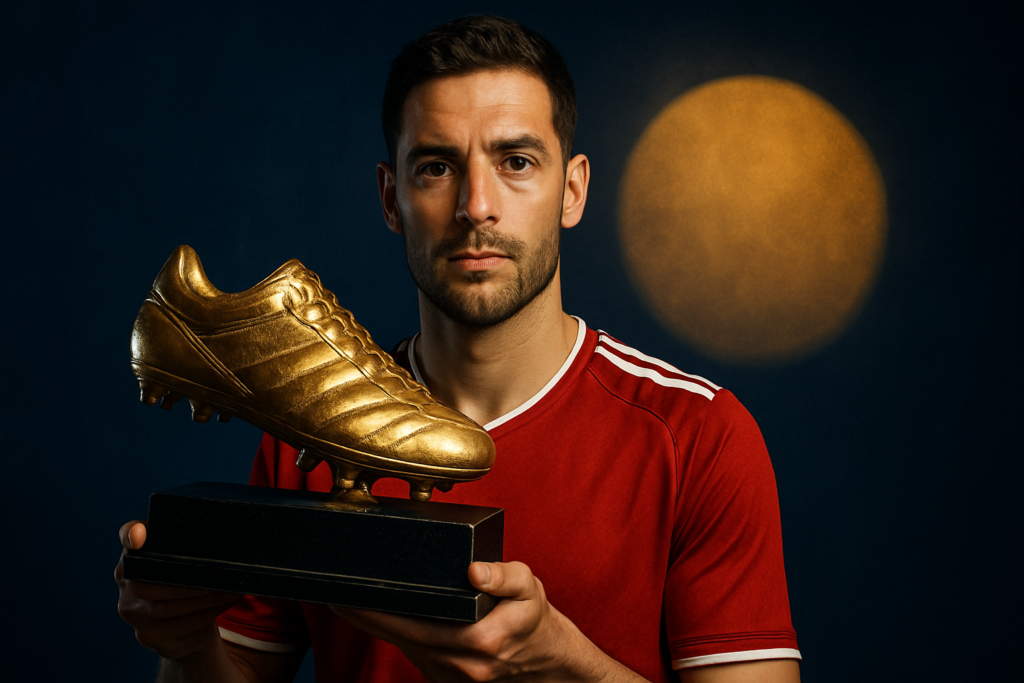
Who won the Golden Boot? A quick, friendly roundup of the latest winners Short answer: for Europe’s continental prize it was Harry Kane. He topped the scoring charts in 2025–26 and claimed the European Golden Shoe with 36 Bundesliga goals. If you want the league-by-league winners, Erling Haaland took the Premier League Golden Boot and Lionel Messi was top scorer in MLS — yes, that Lionel Messi. Why this matters (and why there are so many “Golden Boots”) “Golden Boot” gets thrown around a lot. Depending on the competition it can mean different trophies: the European Golden Shoe (the cross‑league, points‑weighted prize), the Premier League’s Golden Boot (top scorer in England), MLS’s Golden Boot, or even similar awards in other sports like rugby league. So when someone asks “who won the Golden Boot?” you’ve got to ask back: which one? But for most fans asking globally, they usually mean the European Golden Shoe — the award for Europe’s top league scorer on a weighted points system. And that one went to Harry Kane in 2025–26. European Golden Shoe — 2025–26: Harry Kane Bayern Munich’s Harry Kane finished the 2025–26 season as the continental top scorer, netting 36 Bundesliga goals and ending up on 72 points to win the European Golden Shoe. The Bundesliga’s coverage summed up his campaign as sensational and confirmed him as the winner. Bayern Munich’s Harry Kane Numbers that matter 36 league goals in the Bundesliga (2025–26). 72 points under the European Golden Shoe weighting (Bundesliga factor ×2). Finished 18 points clear of Erling Haaland, who had 27 Premier League goals (54 points). The standings and the race tracker show a fairly clean top three with Kane, Haaland and Kylian Mbappé dominating the conversation — that’s backed up by the official European Golden Shoe standings. European scoring charts Why Kane’s season stands out We’ve seen Kane score before, but this wasn’t a lucky run. The 36‑goal haul — his second Golden Shoe by one count — felt like the product of a striker who’s adapted fully to Bayern’s system and still knows how to finish under pressure. Historical lists note this as his second continental golden boot. His second European Golden Shoe What impressed people: consistency across the season and a higher conversion rate in the big moments. It wasn’t all tap‑ins; a lot of those strikes were the sort of composure you only get from forwards who’ve played in top competitions for years. Premier League Golden Boot — 2025–26: Erling Haaland The Premier League’s own top scorer award went to Erling Haaland, who finished 2025–26 with 27 goals for Manchester City. The league confirmed Haaland as the Golden Boot winner and he did it in 35 appearances. Erling Haaland Context and storylines That 27‑goal season gave Haaland his third Premier League Golden Boot (2022–23, 2023–24 and 2025–26). He’s been the archetypal modern number nine in England when fit: high volume, clinical finishes, and a knack for turning half‑chances into goals. There’s also a storyline here about resilience. Haaland has had injury spells in earlier seasons but still comes back and produces. Race recaps point out he overcame earlier setbacks to keep being the league’s most feared striker. That kind of reliability keeps him at the centre of every scoring conversation. MLS Golden Boot — 2025: Lionel Messi Out in the U.S., Lionel Messi dominated the 2025 MLS scoring charts. Inter Miami’s talisman finished the season with 29 goals and 19 assists to claim the MLS Golden Boot presented by Audi, becoming Inter Miami’s first MLS Golden Boot winner. Inter Miami’s Lionel Messi Why it mattered That balance — 29 goals plus 19 assists — is a brutal stat line. It wasn’t just about scoring; Messi was creating as much as finishing. The MLS coverage highlighted how central he was to Miami’s attack and to the project off the pitch too. Other notable Golden Boots and backstory Before Kane’s 2025–26 win, the 2024–25 European Golden Shoe went to Kylian Mbappé at Real Madrid. He scored 31 La Liga goals and finished on 62 points that season. That made him Real Madrid’s first Golden Boot winner since Cristiano Ronaldo’s 2014–15 season. Multiple outlets reported on Mbappé’s win and the context around that campaign. Mbappé’s 2024–25 Golden Boot That season came with some chatter: Mbappé scored seven penalties, and a few commentators flagged debates about certain disciplinary or refereeing decisions that influenced the broader race — not uncommon when awards are so tight. The club and press coverage at the time captured both his excellence and the controversies around the finish. seven penalties If you’re into other codes, note the International Rugby League also runs a Golden Boot — but it’s a separate award for rugby league internationals. The 2025 IRL Golden Boot winners were Harry Grant (men’s), Julia Robinson (women’s), and Rob Hawkins (wheelchair). That’s a different sport, different trophy, same name. International Rugby League How the European Golden Shoe scoring works (briefly) Here’s the simple bit: not all league goals are weighted equally. Goals scored in the top five European leagues (England, Spain, Germany, Italy, France) count double — they’re multiplied by 2. Goals in leagues judged slightly lower are multiplied by 1.5 or 1, depending on the league’s coefficient. So Kane’s 36 Bundesliga goals became 72 points. That’s how the continental ranking is decided — you don’t just look at raw goals, you look at weighted points. It’s why sometimes a player with fewer raw goals can win the Shoe if their league has a higher factor. Quick takeaways (what to remember) European Golden Shoe (2025–26): Harry Kane — 36 goals, 72 points. Premier League Golden Boot (2025–26): Erling Haaland — 27 goals. MLS Golden Boot (2025): Lionel Messi — 29 goals and 19 assists. These awards are separate: European Shoe is continental and points‑weighted; league Golden Boots are simply the top scorers in that league. FAQ Q: Who officially won the European Golden Shoe in 2025–26? A: Harry Kane won the 2025–26 European Golden
Mbappé poised to win the World Cup Golden Boot title
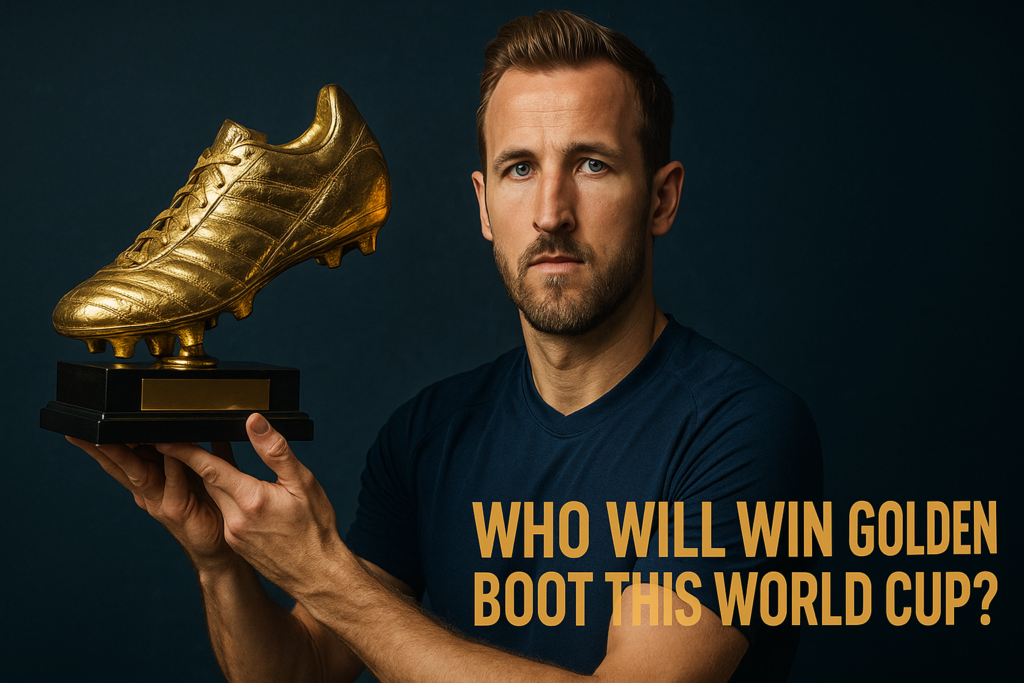
Who will win the Golden Boot at this World Cup? Short answer: Kylian Mbappé. Long answer: everything points to Mbappé — the goals, the assists, the markets and the simple math of one match left. But let’s walk through why that’s the sensible take, and what would have to happen for anyone else to nick it. Where the race stands right now The leaderboard has cleared up in the late stages: Mbappé sits on top with a comfortable lead. Kylian Mbappé (France) – 10 goals, 3 assists (Yahoo Sports leaderboard). Lionel Messi (Argentina) – 8 goals, 4 assists (Yahoo Sports leaderboard). Harry Kane (England) – 6 goals, 1 assist (Yahoo Sports leaderboard). Jude Bellingham (England) – 6 goals, 1 assist (Yahoo Sports leaderboard). That snapshot makes the practical truth obvious: with one match left for the finalists and Mbappé two goals clear of Messi, the ball is largely in Mbappé’s court. How the Golden Boot is actually decided Before we over-index on narratives, a quick rules refresher matters — because tiebreakers can flip drama into fact. The award goes to the player with the most goals at the World Cup (Al Jazeera update). If players finish level on goals, assists are the first tiebreaker (Al Jazeera update). If assists are also level, the player with fewer minutes played wins — and if that’s level, the award is shared (BBC analysis). So when Messi has more assists than Mbappé (4 vs 3), that’s actually relevant. But right now the goals gap is the dominant factor. The main contenders and the storylines This tournament began as a proper shootout: Mbappé, Messi and Erling Haaland all featured heavily in early trackers. By the end, though, the picture narrowed. Kylian Mbappé (France) Mbappé arrived as one of the obvious favorites — he’d won the Golden Boot at the 2022 World Cup and came into 2026 with a reputation for delivering in tournaments (Al Jazeera update). France didn’t lift the trophy this time — they fell short in the semifinals — but Mbappé kept scoring. By the third‑place match he had pushed to 10 goals and 3 assists, reclaiming the lead on the table (Yahoo Sports leaderboard). What I like about his case is simple: he’s already done the damage. Tournament goals don’t compound; they’re counted as they happen, and Mbappé’s been clinical and consistent throughout France’s run. Lionel Messi (Argentina) Messi has been right in this conversation from the start. He led earlier phases of the tournament and, at one stage, had been level with Mbappé and Haaland on seven goals (Al Jazeera update). He’s now on eight goals with four assists, which matters because assists are the first tie-break. But Messi is two goals behind Mbappé going into the final — that’s a big ask even for a man of his class (Yahoo Sports leaderboard). Put bluntly: Messi needs a big final (and for Mbappé to be quiet) to steal this. Nothing is impossible in a one-off match, but the numbers don’t favour the comeback. Erling Haaland (Norway) Haaland had a real shout earlier on — the kind of physical, penalty-box bonafide scorer who looks made for World Cups. Mid-tournament trackers even had him level with Messi and Mbappé at seven goals (Al Jazeera update). But Norway’s path and minutes played matter. Haaland’s threat is obvious, but fewer deep-stage minutes and Norway’s tournament route always made his longshot more of a “what if” than a probable outcome. Harry Kane & Jude Bellingham (England) England supplied a duo of threats. Kane — a previous Golden Boot winner in 2018 — and Bellingham both ended up on six goals and an assist apiece (Yahoo Sports leaderboard). They were never out of it, but with the leaders at 8–10 goals, England’s pair would’ve needed a dramatic final matchday each to bridge the gap. Fun fact: Kane and Mbappé were the two names discussed pre‑tournament as realistic candidates to become the first-ever two-time winners of the award — an intriguing subplot that’s still alive for Mbappé (BBC analysis). Markets and what the odds say If you like numbers beyond goals and assists, the betting and prediction markets are brutally aligned with the obvious takeaway. Fox Sports odds had Mbappé as a heavy favorite, pricing him at roughly -2500 compared to Messi at +1200. The prediction market also reflects a near-consensus: Polymarket’s golden boot market showed Mbappé trading around 93%, with Messi around 7%. That’s not mystical — it’s simply the market folding in the facts: Mbappé’s goal cushion, his assist tally, and the scarcity of matches left. The markets don’t decide the award, but they’re a tidy summary of probability given current information. History is watching — and Mbappé could rewrite a line Here’s a bit of historical spice: no one has ever won the World Cup Golden Boot twice. That’s not just trivia — it’s part of why this tournament feels like it’s got extra stakes for Mbappé (and for Kane, theoretically) (BBC analysis). Mbappé already won it in Qatar (eight goals in 2022), and if he finishes top scorer again, he’d break a streak that’s stood for the entire modern history of the award. Okay, so what exactly needs to happen for Messi (or someone else) to catch Mbappé? Let’s be blunt and practical. Messi is two goals behind. He needs to score at least two in the final to match Mbappé’s tally, and if he does reach 10 goals, assists become the tiebreak — and Messi currently has one more assist than Mbappé. Alternatively, Messi can score one and hope Mbappé doesn’t add to his tally; that would leave them level and then Messi’s higher assists total could decide it. For Haaland, Kane, Bellingham or others, the path is steeper: they’d need a multi-goal day and also rely on Mbappé and Messi failing to add goals. That’s why the markets tip strongly toward Mbappé. The permutations that favour someone else are possible, but narrow. Small print on tiebreakers If scoring finishes tied, remember
Ronaldo Plans Retirement After the World Cup?
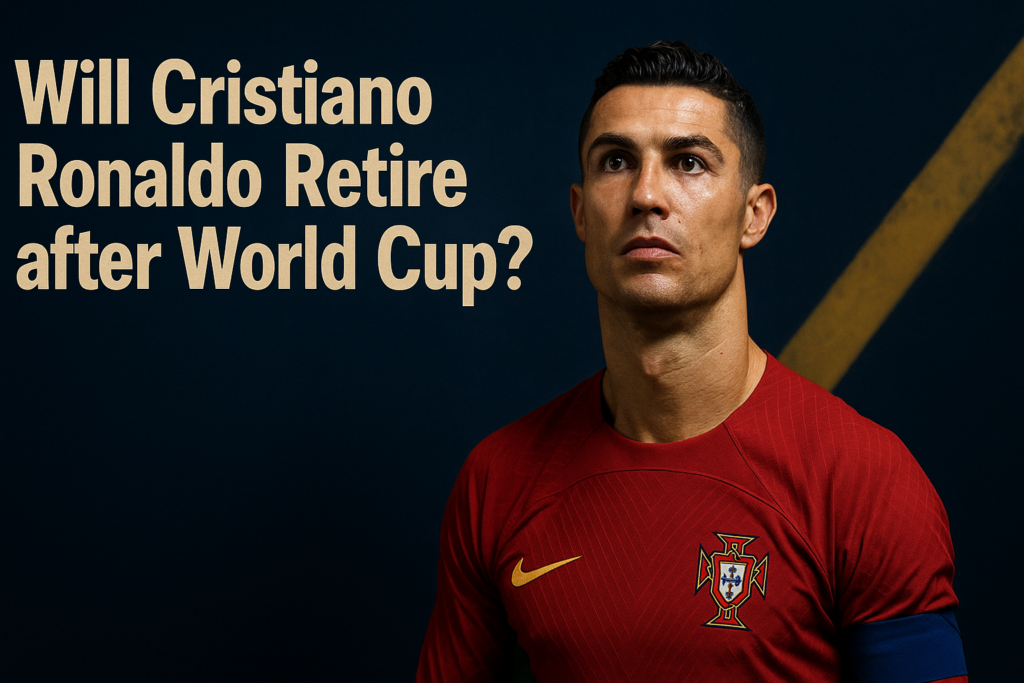
Will Cristiano Ronaldo retire after the World Cup? Short answer: he’s said the 2026 World Cup will be his last, and he’s put a rough two-year window on the rest of his career. Long answer: it feels like the slow, intentional walk-off of a player who’s been planning his exit for a while — not an abrupt collapse. Here’s what we actually know, what he said, and what it means for Portugal, Al-Nassr and the sport’s love affair with one of its most stubbornly brilliant forwards. What Ronaldo actually said — straight from him When asked point-blank if the 2026 tournament would be his last World Cup, Cristiano Ronaldo answered, “Definitely, yes.” That came during a TOURISE Summit interview in Riyadh, where he didn’t hedge the World Cup line (you can watch the coverage of that TOURISE Summit interview). He also put a broader timeline on his career, telling media he expects to retire from football within “one or two years.” Multiple outlets ran that line; ESPN reported the same “one or two years” window when it covered his statement after the summit. And he made the arithmetic clear: he’ll be 41 at the 2026 World Cup, so that feels like a sensible moment to step away from the biggest stage (CNN noted that age specifically when reporting the announcement). The tone matters This wasn’t a tearful “I quit” moment. He framed the decision as deliberate — a planned final act rather than a forced exit. He said he’s still sharp, still scoring, and still enjoying the game, which makes this feel like the closing chapter of a very long book rather than the sudden end of a career. The World Cup is already over for him If you were hoping for a fairytale curtain-call in the 2026 final, that ship has sailed. Portugal were knocked out by Spain 1-0 in the Round of 16 — Mikel Merino scored late to settle the tie. After the match Ronaldo acknowledged aloud: “It was my last World Cup, yes,” though he was careful to say that he didn’t want to make rushed decisions about the rest of his Portugal involvement on the spot. Al Jazeera covered the post-match comments and the mixed emotions around the exit. NBC News added that he left Qatar with a “clear conscience,” saying he felt he’d given everything for his country. USA Today noted that he had already told reporters this would be his last World Cup before the Spain match, but that he still might continue with Portugal in other competitions — he just didn’t want to let one result dictate everything. Numbers and milestones — why this is an era-ending moment When legends step off the stage, it’s useful to remember what the highlights reel looks like. Ronaldo’s numbers are ridiculous by any standard, and the stats being cited in the coverage spell out why his decision feels seismic. Career goals: BBC reported he has 953 goals for club and country combined, and that he’s still chasing the 1,000 mark. International record: BBC also noted he holds the record for most male international goals with 143. Portugal scoring and appearances: Sky Sports put his Portugal tally at 146 goals in 232 appearances — a slightly different figure, which reflects how these tallies can vary depending on timing and counting methods. World Cups: Olympics.com pointed out he’s played at six World Cups and became the first player in history to score at six different editions of the tournament. Those numbers are why a retirement, whenever it comes, won’t feel like the end of a player but the end of a defining presence. Even at 40, he’s still producing output that most careers don’t get close to. Club situation and fitness — is anything forcing his hand? None of the recent reports suggest a new major injury or sudden form collapse. Sources repeatedly said he’s still playing well for Al-Nassr in Saudi Arabia, and there’s no headline-making fitness crisis being cited as a reason for the retirement window. NBC News and BBC both mentioned that his contract with Al-Nassr had one more season left, but they didn’t paint that as the final curtain — just part of the calendar he’s working with. In other words: if he wanted to keep going at club level past the next season, the door isn’t slammed shut by injuries or lack of offers (at least not according to the reporting we have). Why this feels deliberate, not dramatic Ronaldo’s line — that he’s given everything in football — appears in the coverage and reads like a player choosing the timing for his farewell. Olympics.com quoted him saying, “I’ve given everything in football,” and both BBC and ESPN framed the announcement as a planned retirement window. That matters. He’s never been one to fade quietly. If he’s planning to go, he’ll likely set the terms, pick projects, and manage headlines. He’s treating the World Cup as a milestone to close a chapter, not the only possible final act. What he left open Despite calling 2026 his last World Cup, Ronaldo explicitly left some questions unanswered. He said he didn’t want to make “rash decisions” about his wider international future immediately after the Spain game, which means: He could conceivably keep playing for Portugal in other fixtures beyond 2026 if he wanted. He might extend at club level for a short while if the right situation presents itself. All of that is speculation, of course — but it’s rooted in how he’s phrasing things: a planned farewell to the World Cup specifically, and a one-to-two-year retirement horizon for his full career. What happens next — the likely timeline Here’s the simple timeline based on Ronaldo’s own words and the surrounding reporting: 2026 World Cup: Ronaldo says this will be his final World Cup. (He’ll be 41 then, per CNN.) One to two years: He told reporters he expects to retire from football within about one or two years after his announcement, according
England vs Argentina | World Cup Semifnal Prediction
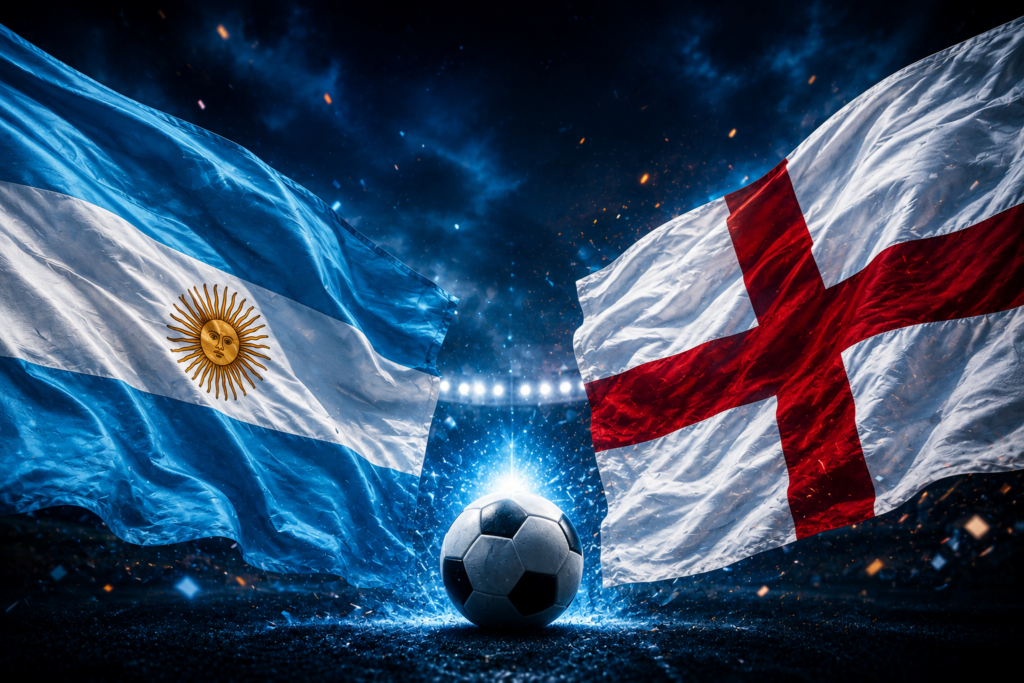
England vs Argentina: Messi’s first dance with the Three Lions — who’s got the ticket to the final? Two heavyweights, two extra‑time epics behind them, and a semi‑final in Atlanta that feels like a proper moment for both sides. This isn’t a friendly reunion at Wembley; it’s the World Cup, and the winner meets France or Spain for all the marbles. Everyone’s talking about Messi, Jude Bellingham and whether structure or magic will decide the night. The stage is set in an Atlanta semi-final, and yeah, you should be excited. Why this match actually matters On paper this is one of the tournament’s marquee matchups: defending champions Argentina against an England side that looks like it’s finally grown up under Thomas Tuchel. There’s history — long, messy, glorious history — and there’s a present packed with form and narratives that matter. If you like storylines: Lionel Messi has never played England at senior level. That’s wild, given everything he’s been through. The semi is literally his first proper international meeting with the Three Lions, which adds a cinematic edge to the contest. How both teams got here Neither walk into Atlanta fresh. Both needed extra time in the quarters, which tells you two things: they’ve got resilience, and there’s a fatigue factor to watch. England overturned Norway 2–1 after extra time in Miami, with Jude Bellingham scoring both goals to drag them through — a reminder that he is now England’s heartbeat in big games. The comeback was dramatic and earned, and it’s their fourth time ever reaching a World Cup semi‑final. Argentina beat Switzerland 3–1 after extra time in Kansas City. Alexis Mac Allister opened the scoring, but when Switzerland equalised Argentina were under pressure until Julián Álvarez and Lautaro Martínez turned it around in extra time. The defending champions still look dangerous when games go late. Those quarter‑finals are worth bookmarking: England’s momentum is baked around Bellingham’s late‑game impact, while Argentina keep finding ways to grind and then explode when it matters most. The tactical chess match Most previews describe this as a near‑50/50 game where small tactical nuances or moments of individual brilliance decide it. That’s a neat summary — but let’s unpack the key matchups. Messi versus Tuchel’s structure One obvious contrast is Argentina’s improvisational, Messi‑led creativity versus Tuchel’s organised, pressing and possession approach. Analysts peg this as a classic “inventive maestro against a modern system” showdown. Expect England to try and keep things compact and to set triggers for selective pressing, with a midfield shield aimed at stopping Messi from getting his feet between the lines. Messi, by the way, isn’t just a headline — he’s been lethal. He’s near the top of the scoring charts with eight goals in the tournament, and Argentina’s attacks habitually funnel through him. Bellingham and the midfield crunch If Tuchel has built England around one man, it’s Jude Bellingham. His brace against Norway was a reminder of his late‑arriving, late‑finishing threat; pundits expect him to be pivotal again. England’s control of central spaces — whether via Bellingham’s driving runs or positional rotations — could decide how often Argentina have to rely on individual moments to create. Argentina counter with a mix of ball‑winners and technicians, often led by Alexis Mac Allister, who links play and frees Messi to do damage. Whoever wins the central moments will likely dictate the game’s rhythm. Wide areas, transitions and counters Both sides can hurt each other on the break. England’s quick transitions and the link‑ups from Bellingham to wide forwards give them a chance to exploit space behind full‑backs. Argentina, conversely, are dangerous the instant they win possession: a quick ball to Messi or Álvarez in the channels can make an organised defence look suddenly exposed. So watch the full‑backs, and watch who wins the first turnovers. Those sequences often end up as the decisive plays in tight semis. What could swing the game With two evenly matched teams, the small stuff becomes massive. Here’s what I’d circle on a cheat sheet: Individual brilliance: Messi can invent a goal from nowhere; Bellingham can steal a match with late runs. One of those players might have to produce the moment. Set pieces: Tight games at this stage often turn on corners or free‑kicks. Whoever defends and attacks them better gains a big edge. Fatigue & fitness: Both teams played 120 minutes in the quarters. Analysts and previews talk about accumulated tiredness and small knocks. That could make intensity drop late — which favours the side better at managing heavy legs. Game management and substitutions: Tuchel’s decisions and Argentina’s options off the bench could be decisive. Sub‑bench impact is huge in matches that go to extra time. None of these are glamorous, but they’re the real levers. In a game described by video analysts as “extremely close”, the match will likely drift toward whoever handles these tiny margins better. History, headlines and the Messi factor This fixture carries proper World Cup baggage — 1966, 1986, 1998 — and the media love that. But the freshest, most extraordinary hook is that Messi has never faced England at senior international level before. That fact’s been splashed across previews as a rare, almost cinematic anomaly. Messi himself leaned into the moment, calling England a “powerhouse” and saying the semi will be “special”. That quote feeds the narrative that this is not just another knockout game; for Messi and many fans it’s a first‑time meeting that’s been built up for years. On top of that, the bracket keeps alive the Qatar‑era storyline: win and Argentina could meet France — and a potential Messi vs Mbappé rematch — if France get past Spain. The tournament’s scripting couldn’t be neater if it tried. What the experts are saying There’s no consensus. That’s the headline — the previews split, and the predictions are all close but different. One preview tips Argentina to win 2–1 after extra time, arguing slightly in favour of the champions’ pedigree and Messi’s form. Video analysts (the
France vs Spain Semifinals Prediction
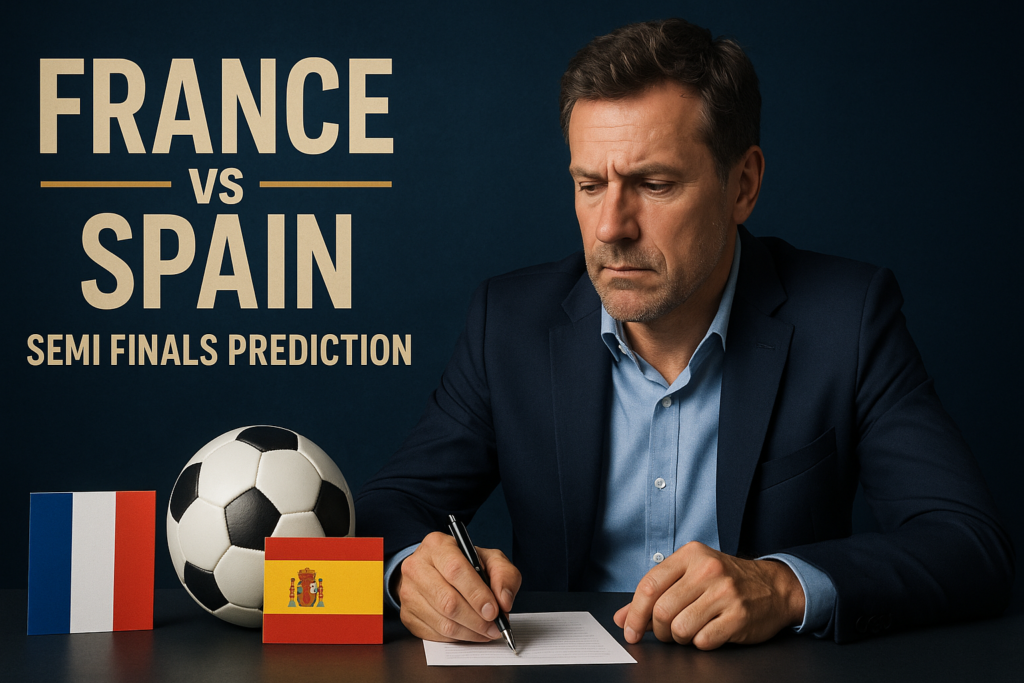
France vs Spain — The Semi That Feels Like a Final Put the beers on ice: Tuesday’s France‑Spain World Cup semi isn’t just another knockout game. It’s a clash of styles, a little bit of revenge, and very likely a match where one superstar makes the difference. Most experts and markets have France as the narrow favorite, but “narrow” is the operative word — this one should be tight and entertaining. (Follow Match Schedules & Live Scores at William Hill) Match basics and why they matter This one kicks off at 3:00 PM ET on Tuesday, July 14, 2026, at the cavernous AT&T Stadium in the Dallas–Arlington area. Broadcast-wise in the U.S., FOX has the English feed, Telemundo the Spanish, and streaming is on Peacock and FOX One — handy if you’re moving between bars or sofa rooms. These logistics matter: a semi in a massive stadium in the middle of the day in the U.S. changes feel and atmosphere compared with a late‑night European kickoff. How each side got here Both teams arrived in North America as tournament favorites, which makes this match feel like a preview of the final many thought we’d get. France have picked their moments well; their quarterfinal was a 2–0 win over Morocco, repeating the scoreline from the 2022 semifinal and underlining how efficient they’ve become at knockout football. (Fox Sports has the context here.) Spain’s road has been less tidy. They scraped past Belgium 2–1 in the quarters after a goalkeeping mistake handed Miguel Marino the winner, and while they’ve moved on, some pundits openly say Spain “need to play a lot better” than they have been. That sense of unfinished business — talent on one hand, a bit of inconsistency on the other — hangs over them. Key players: the obvious and the under‑the‑radar Kylian Mbappé: the constant Everything about France funnels through Kylian Mbappé. He’s sitting on eight goals at this World Cup, and the way analysts talk about France’s threat is basically: stop him and you stand a chance. USA Today’s panel even imagines nights where he decides the game single‑handedly. You don’t need me to tell you he’s the headline; you need to plan for him. Spain’s creative core Spain will try to win this the old-fashioned way: control the ball and create chances. They’ve averaged close to two goals per game this tournament, so they’re not just hogging possession for the sake of it — they’ve been productive. Young Lamine Yamal is the livewire everyone mentions; his Euro 2024 display against France is now a reference point for what he can do if he finds space and confidence again. So the matchup boils down to a familiar script: Spain’s volume and craft versus France’s precision and one‑on‑one firepower. Tactics: possession vs. counterpunch If you want the short version: Spain will hold the ball, France will wait for the moments that hurt. That’s been the consensus from TV analysts and betting previews alike, and it fits what we’ve seen from both sides in this tournament. Spain’s profile: patient buildup, probing wide, a lot of passes to open up spaces. France’s profile: compact defense, quick transitions, Mbappé and co. looking to finish two or three clear chances rather than force thirty. CBS Sports’ betting analyst leans to Over 2.5 total goals, partly because Spain create chances and France are clinical. That’s worth keeping in mind: this won’t necessarily be a 0–0 chess match where possession equals control. France have enough cutting edge to make one or two moments count. What the markets and experts are saying Across odds and punditry, the tilt is toward France but only just. Betting data aggregated early shows France around −144 to advance (roughly a 59% implied chance) with Spain on the plus side. The 90‑minute moneylines put France slightly ahead in regulation probability, but models are much closer: Syracuse.com’s machine model gives France about a 40.3% chance to win in regulation, Spain 32.4%, draw 27.3% — essentially a coin with a slightly heavier silver edge. USA Today’s staff are mostly picking France with scorelines like 2–0, 2–1, or even 3–1. CBS Sports highlights both teams’ scoring form and leans toward a game with goals. ESPN FC pundits, meanwhile, remain a little split; some still put Spain on a trajectory to win the whole tournament. In plain terms: most people expect a tight, high‑quality game where France’s finishing is the X‑factor. But Spain are considered very much alive, and if they play to their best, they’ll win. Storylines that add spice (and make for good pub chat) Revenge angle: France lost the Euro 2024 semifinal to Spain, and French media and fans have been circling that result. USA Today even frames this as payback. That emotional edge matters; two years of simmering can become motivation on the day. Mbappé chases history: He’s on eight goals in this tournament and several commentators expect him to be the goalscorer who tilts this match. The simple narrative of “Mbappé decides it” is not lazy — it’s what the evidence suggests so far. Spain still have faith: Even after the jittery Belgium win, some high‑profile pundits keep Spain on a pedestal and expect them to flip the switches that matter. That belief itself can be a story — the confident underdogs who never doubted themselves. Styles clash: The match is a textbook possession‑vs‑counter battle. If you like tactical chess and quick pace shifts, this will be tasty. My prediction — the honest, mate‑at‑the‑bar take Okay, here’s where I land: France 2, Spain 1. Why that score? A few tidy reasons: France’s finishing has been ruthless in this tournament — they don’t need many chances and Mbappé is the sort of player who converts the one he gets (and often the rebound of one he doesn’t). Spain will control much of the ball and create chances, but pundits and models have pointed out they haven’t hit peak fluency yet. Their win over Belgium came through a mistake rather than
FIFA World Cup Schedule 2026 Dates Openers and Big Moments
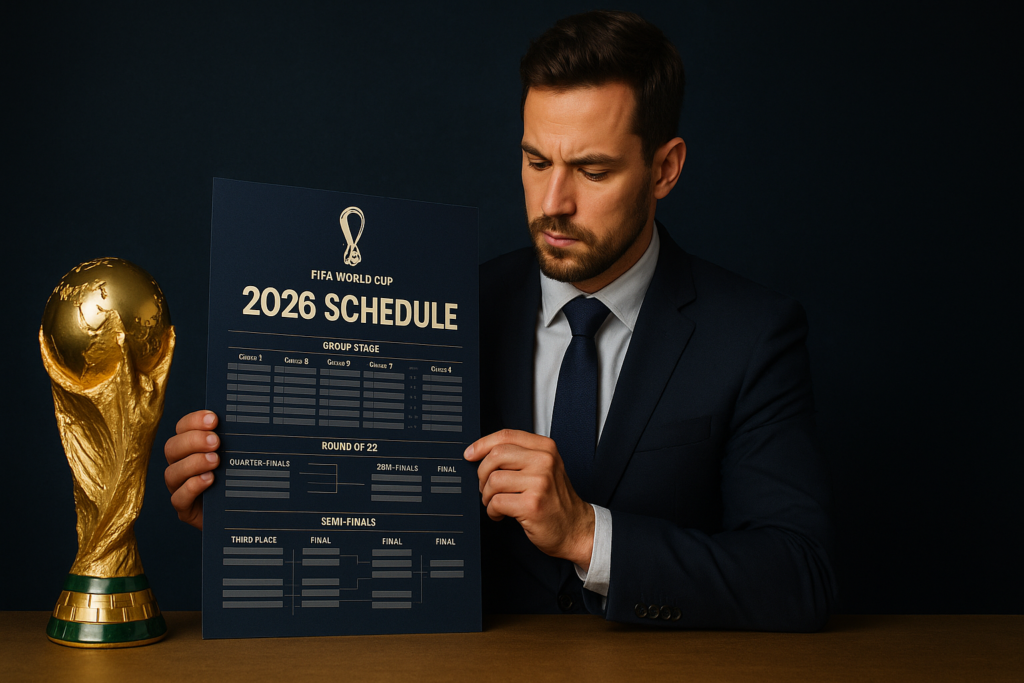
How the 2026 World Cup schedule actually works — dates, big openers and what to watch Short version: the FIFA World Cup 2026 Schedule is bigger, longer and spread across a continent. That means more games, more travel, and a few new wrinkles that actually change how teams will approach the whole tournament. If you want to know when it starts, who opens where, and which early games matter most — here’s the roadmap, with the bits you need to bookmark. Quick primer: the new format (and why it matters) This is the first 48‑team World Cup, not 32. Teams are split into 12 groups of four, and the tournament advances the top two from each group plus the eight best third‑place teams into a new round of 32. The expansion means 104 matches instead of 64, which changes everything from rotation plans to the feel of the group stage — fewer dead rubber games, more chances for upsets, and more moments when a third‑place finish is still golden. Tie‑breakers stay familiar: points, goal difference, goals scored, head‑to‑head, disciplinary points, and, if fate demands it, drawing lots — the usual FIFA playbook from previous tournaments, just applied across a larger field. The whole setup is explained in the same coverage that lays out the expanded schedule and match calendar. When and where: the headline dates and venues The tournament runs from June 11 to July 19, 2026, with the final played in the New York metro area on Sunday, July 19. That last bit will be huge — it’s the first World Cup final staged on U.S. soil. The event is tri‑hosted by the United States, Canada and Mexico, and FIFA lists 16 host cities across those three countries. Expect stadiums from coast to coast: Seattle to Miami, Toronto to Mexico City, and big NFL venues turned soccer stages like SoFi and AT&T. Big numbers to remember 104 matches total (72 group games, 32 knockout matches). 16 host cities across the U.S., Canada and Mexico. Final: July 19 in the New York/New Jersey area. Those figures come from the official schedule and longstanding coverage that mapped out the tournament format and match calendar. Opening day and the first week — the fixtures that set the tone The tournament kicks off on Thursday, June 11, 2026. The opening double‑header is in Mexico: the day starts with Mexico vs South Africa at Estadio Azteca, and finishes in Guadalajara with South Korea taking on Czechia. Mexico opening in the Azteca is textbook drama — packed stadium, altitude, history — and nobody’s treating that as a neutral piece of theatre. Host nations get big spotlights early. The U.S. plays its opener at SoFi Stadium in Los Angeles, a venue confirmed to host eight matches including the U.S. men’s first game. Canada’s first match is a home game on June 12 at BMO Field in Toronto, while Mexico’s fixtures run through a mix of Azteca and Guadalajara dates. Selected marquee openers Brazil vs Morocco at MetLife Stadium on June 13 — one of the first real heavyweight tests. Germany vs Curaçao in Houston on June 14 — weird draw on paper, but that’s the charm of early World Cup games. France vs Senegal at MetLife on June 16 — a heavyweight meeting that could preview deep knockouts. Spain vs Cape Verde in Atlanta on June 15 — fancy on paper, but debutant nations have a habit of making life uncomfortable. These match days are spread across U.S. time zones, so expect an almost daily parade of high‑profile fixtures in the first two weeks. Miami, Los Angeles, Mexico City: the city guides in brief Some cities are getting festival‑level football. Miami’s Hard Rock Stadium hosts a chunk of group play, a round of 32 match, a quarterfinal on July 11 and the bronze match on July 18. That means Miami’s on the knockout trail and will be a hub for fans chasing big games. Los Angeles (SoFi) is the symbolic American launchpad — the U.S. opener and several other headline matches. Mexico City’s Azteca, with its World Cup history, hosts the opening game and will be a cultural focal point for the tournament in North America. These venue assignments come from the host‑city match schedules and FIFA’s match calendar. The knockout roadmap: round of 32 and what follows Because the format pushes 32 teams into the first knockout round, the tournament adds an extra knockout stage (round of 32) before the traditional round of 16. The group stage ends around June 27 and the knockouts begin shortly after, with matches spread across the 16 host cities. That next phase runs through July: round of 32, round of 16, quarterfinals, semifinals, a third‑place game, and the July 19 final at MetLife. Reuters and FIFA have graphics and calendars laying out the day‑by‑day progression if you want the visual bracket. Storylines that actually matter — not just hot takes There are a handful of real, on‑field things this schedule forces teams to reckon with. I’m less interested in the usual “X vs Y” hype and more in how the structure changes coaching, tactics and fatigue management. 1. Squad rotation and travel logistics With 104 matches across a continent, teams will travel between different climates and time zones — Seattle to Miami or Toronto to Mexico City is a different animal than Paris to London. That affects recovery, lineup continuity and who gets minutes. Coaches who ignore the mileage could find their best XI worn out by the knockout rounds. Expect managers to treat the expanded group stage as a marathon — rotate where it makes sense, and prioritize players who can handle the travel schedule. 2. The “best third place” safety net Because eight third‑place teams advance, there’s strategic value in aiming for a gritty draw or a narrow loss, then banking on goal difference or other teams’ results. It’s similar to Euro formats that produced dramatic last‑day permutations; expect groups to be live right to the