
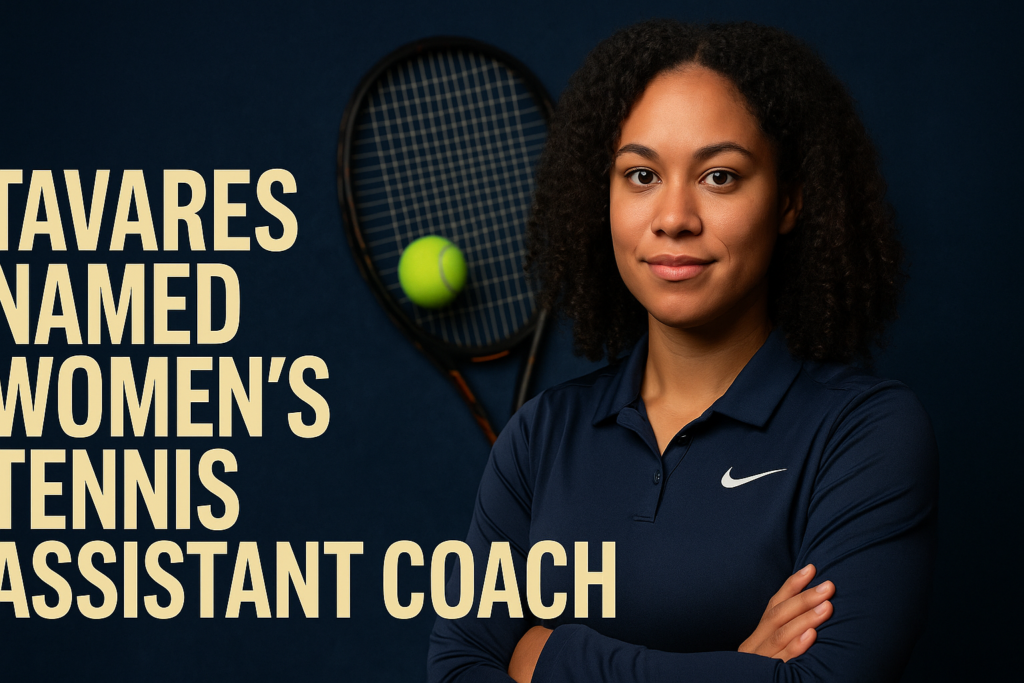
Colin Tavares Joins ECU Women’s Tennis: What That Actually Means
Okay, quick catch‑up: East Carolina quietly dropped a small but interesting coaching move on August 3 — Colin Tavares has been named the new assistant coach for the Pirates’ women’s tennis program. It’s the kind of hire that doesn’t set off fireworks in the national press, but it could matter a lot for how ECU shapes its next season.
The headline, plainly
ECU’s official release announced Tavares as the assistant to sixth‑year head coach Kirstin Burgess. The note is short and factual: Tavares will help run daily training, prepare the team for matches, and take a lead on recruiting and player development. That’s standard language for an assistant coach, but it’s also a big handful.
The announcement makes clear this is more of a staff add than a reboot — Burgess isn’t leaving, and this isn’t a clean‑slate type hire. It’s an upgrade around an established coach heading into the next campaign.
Why the timing matters
They announced it in early August, which is not accidental. ECU framed the hire as coming in “heading into the 2026–27 season.” That means Tavares will be in place for fall individual tournaments, preseason practices, and the build to the spring dual‑match grind in the American Athletic Conference.
College tennis has a weird calendar: a busy fall of ITA events and individual tournaments to develop players and assess lineups, then the spring where team results matter most. Putting a new assistant in before the fall gives them time to meet recruits, start one‑on‑ones with players, and imprint their coaching style before matches start to count.
What Tavares will likely be asked to do
Short answer: the usual assistant toolbox, but with modern expectations. ECU’s release lists the role as daily training, match prep, recruiting and player development — that’s an all‑hands job.
- Daily training and match prep: drilling technique, running practice sessions, scouting opponents, setting match tactics.
- Player development: one‑on‑one development plans, fitness and movement work, mental coaching support.
- Recruiting: evaluating prospects, building relationships, and hopefully widening ECU’s recruiting reach.
How that looks in practice depends on Tavares’s skill set, which ECU hasn’t published yet. The release confirms the hire and title but doesn’t include an extended résumé, prior coaching stops, or a playing bio. So we don’t know whether he’s coming with international tour experience, a strong recruiting Rolodex, or a specialty in doubles or analytics — at least not from the official announcement. For now, the safe read is: Burgess and the program trust him to handle a full assistant slate and help the team hit the ground running.
How this fits a broader trend in women’s college tennis
ECU’s move isn’t happening in a vacuum. This summer and early fall have seen a flurry of assistant hires across Division I programs. For context:
- USC hired Omar El Kheshen in late July.
- Cal brought in Jaan Kononov as an assistant around the same time.
- James Madison added Elena Tendero‑Ortiz.
- Iowa named Nikita Vishwase an assistant coach.
Why so busy? Programs are trying to sharpen recruiting pipelines, bring new tactical ideas, and—frankly—keep up with peer schools who are adding specialists like analytics‑minded coaches or international‑circuit connectors. A recent piece about coaching in women’s tennis points out that assistants carry a heavy operational load and often are where new ideas actually take root — data work, individualized training plans, navigating personalities, and more. That’s not glamourous, but it’s essential work. The BBC’s reporting on coaching roles gives a good sense of that day‑to‑day reality.
Assistants often carry a heavy load, and programs that staff smartly can squeeze extra wins out of otherwise even rosters.
What ECU gets from adding an assistant now
There are a few practical benefits for Burgess and the team by bolstering staff depth before the season:
- More attention per player. With a second coach to split the load, each athlete can get more one‑on‑one time and tailored practice plans.
- Recruiting bandwidth. Assistants are the ones on late calls with recruits, at tournaments watching prospects, and building the relationships that turn into signings.
- Tactical flexibility. Two coaches mean more eyes for match scouting and different coaching voices during tight situations.
Again, the ECU release doesn’t spell out which of these areas Tavares will specialize in, but hiring now suggests the staff wants him involved in all those bits through the fall and into the spring.
What we still don’t know — and why that matters
There’s a fair bit missing from the public record. ECU’s announcement is succinct: it names the hire and his duties, but it doesn’t include an extended bio, previous stops, or quotes from Burgess or Tavares. That leaves several open questions:
- Where did Tavares coach or play previously?
- What recruiting territories does he cover?
- Does he bring a specialty (doubles, fitness, analytics, international recruiting)?
Those are the details that actually tell you how transformative the hire could be. For example, a coach with international contacts and tour experience can suddenly open pipelines to a different talent pool. Conversely, an assistant who's an outstanding recruiter in a particular region can shift the roster composition slowly but significantly.
One cautionary detail the ECU release explicitly addresses: it doesn’t tie Colin Tavares to other Tavareses in the coaching world. There’s a well‑known Vanessa Tavares who was a decorated assistant at Texas A&M–Kingsville, but the ECU note doesn’t link the two — and it’s important not to conflate them without confirmation. The Vanessa bio is publicly available, but ECU has not provided any such résumé or family/career link for Colin.
Vanessa Tavares has a distinct public record, which doesn’t appear in the ECU release — so until ECU clarifies, any relationship is speculation.
What to watch next
If you’re an ECU fan (or just curious), here are the things that will tell us whether this hire was a home run or a steady, useful upgrade:
- ECU publishes a coaching bio with past stops and specialties.
- We see Tavares actively on the recruiting trail in fall coverage and admissions announcements.
- The team’s fall individual results show sharper movement in player performance or doubles chemistry.
- Burgess and Tavares give quotes in follow‑up stories that clarify division of duties and immediate goals.
Those are the practical signals. Until then, it’s a tidy hire that looks sensible and perfectly timed for the season build‑up.
FAQ
Who announced the hire and when?
ECU’s official athletics department announced the hire on August 3, 2026. The school’s release is the primary public source for the news, naming Tavares the assistant coach and noting his responsibilities with the women’s program.
What will Tavares actually do at ECU?
The announcement lists daily training, match preparation, recruiting and player development as his responsibilities. That’s the broad assistant coach job description at most programs — expect him to be hands‑on with practices, scouting, recruits and individualized work with players.
Does the release include Colin Tavares’s coaching history or playing career?
No. The ECU release confirms the hire and title but does not provide an extended résumé, prior positions, or a playing bio. The program or local coverage will likely fill that in soon.
Is this part of a wider trend in college tennis?
Yes. Several Division I programs have added assistants this off‑season — schools like USC, Cal, James Madison and Iowa have all made coaching additions. Many programs are beefing up staff to sharpen recruiting and add tactical or developmental specialists before the season starts.
Does this change ECU’s odds or affect betting markets?
The ECU announcement doesn’t mention odds, and regular‑season NCAA women’s tennis matches usually aren’t widely posted by mainstream sportsbooks. So there’s no direct odds shift tied to this hire in the public market that the release references.
Will this impact who plays on the travel squad this spring?
Possibly. An assistant added before fall has time to evaluate players and influence lineup decisions, especially for newcomers and transfers. But specifics about roster moves, transfers, or injuries were not included in the announcement.
One thing to remember
This isn’t a headline‑grabbing splash — it’s a practical, timely hire. ECU has bolstered Kirstin Burgess’s established staff with an assistant right before the fall and spring seasons, which is exactly when programs look to sharpen their edges. The real test will be what ECU and Tavares do next: drop a detailed bio, get active on the recruiting trail, and start showing tangible progress in fall events. Until then, it’s a tidy move that makes sense on paper — and one to keep an eye on when the fall tournament dust settles.